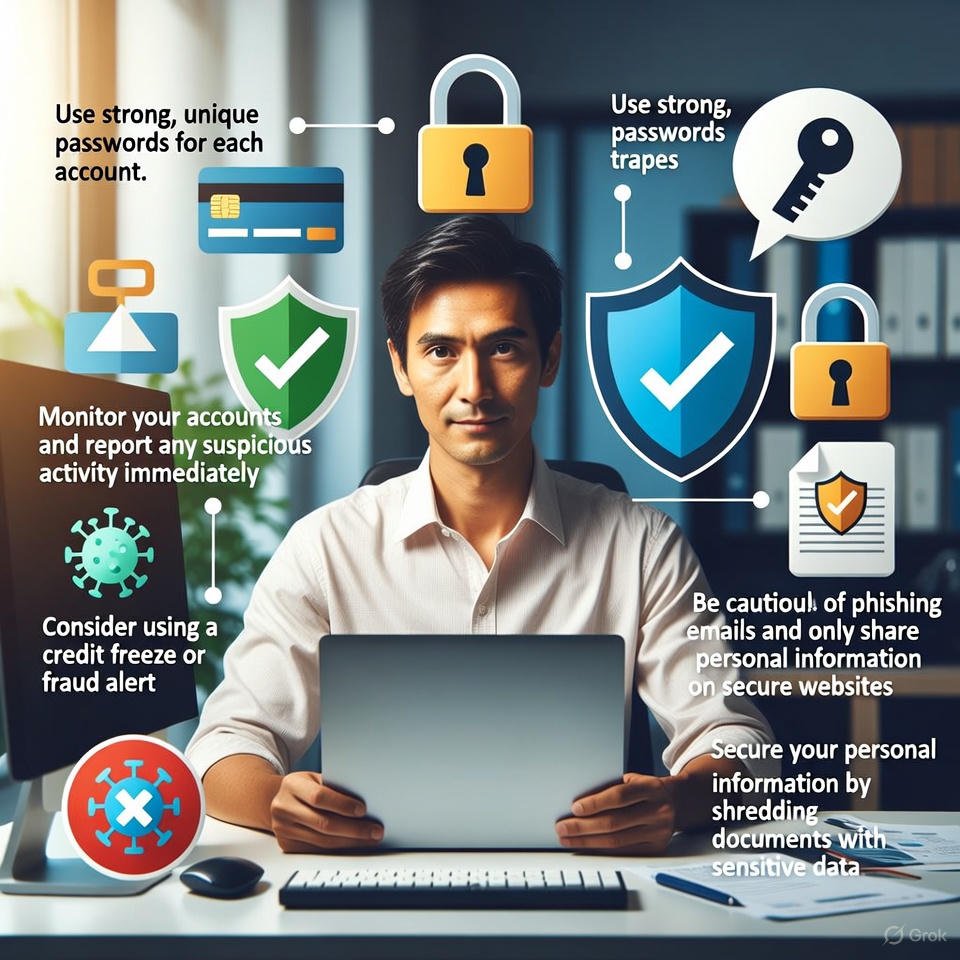

In an era where personal data is the new currency, identity theft has become one of the fastest-growing crimes worldwide. Criminals no longer need to pick your pocket; they only need a few pieces of your personal information to open accounts, take out loans, file fake tax returns, or even commit crimes in your name. The consequences can be devastating: ruined credit scores, drained bank accounts, and years spent trying to restore your good name.
This comprehensive cyber awareness guide answers the critical question on everyone’s mind: how can you protect yourself from identity theft cyber awareness is no longer optional; it is essential survival knowledge in the digital age. By understanding the threats and adopting strong defensive habits, you can dramatically reduce your risk.
Understanding Identity Theft in the Digital Age
Identity theft occurs when someone steals your personal information (Social Security number, bank account details, passwords, date of birth, etc.) and uses it without your permission. According to the U.S. Federal Trade Commission, millions of identity theft reports are filed every year, and the global cost runs into hundreds of billions of dollars.
Common methods criminals use today:
- Phishing emails and smishing (SMS phishing)
- Data breaches at companies you trust
- Malware and ransomware on personal devices
- Skimming devices on ATMs and gas pumps
- Dumpster diving and mail theft
- Wi-Fi eavesdropping on public networks
- Social engineering and pretexting
- Dark web sales of stolen credentials
The scary truth? Most victims never see it coming until the damage is done.
Core Principles: How Can You Protect Yourself from Identity Theft Cyber Awareness Starts Here
How can you protect yourself from identity theft cyber awareness begins with one fundamental mindset shift: treat your personal information like cash. You wouldn’t leave your wallet on a park bench, so don’t leave your data exposed online.
- Freeze Your Credit — The Single Most Powerful Step
Placing a credit freeze with all three major bureaus (Equifax, Experian, TransUnion) is completely free and prevents anyone (including yourself) from opening new accounts in your name without first lifting the freeze with a PIN. This single action stops most financial identity theft cold.
Do it today. It takes less than 30 minutes online or by phone.
- Use Strong, Unique Passwords and a Password Manager
Using the same password across multiple sites is like using the same key for your house, car, and office. If one site is breached, all your accounts become vulnerable.
Best practices:
- Minimum 16 characters
- Mix of uppercase, lowercase, numbers, and symbols
- Never reuse passwords across sites
- Use a reputable password manager (Bitwarden, 1Password, LastPass, etc.)
Enable two-factor authentication (2FA) everywhere it’s offered, preferably using an authenticator app or hardware key rather than SMS.
- Be Ruthlessly Skeptical of Unsolicited Communications
No legitimate bank, government agency, or tech company will ever:
- Call and ask for your password
- Email you a link demanding immediate login
- Threaten arrest unless you pay with gift cards
If in doubt, hang up or delete the message and contact the organization directly using a phone number or website you know is real.
- Secure Your Devices and Networks
- Keep operating systems and apps updated
- Use reputable antivirus/anti-malware software
- Avoid public Wi-Fi for sensitive transactions (or use a trusted VPN)
- Enable full-disk encryption on laptops and phones
- Use biometric locks (fingerprint/face ID) alongside strong PINs
- Safeguard Physical Documents
- Shred anything with personal information before throwing it away
- Use a locked mailbox or PO box
- Remove mail promptly
- Opt out of pre-screened credit offers at OptOutPrescreen.com
- Monitor Your Financial and Credit Activity Religiously
- Review bank and credit card statements weekly
- Set up transaction alerts for amounts over $1
- Check your credit reports for free weekly at AnnualCreditReport.com
- Consider identity theft monitoring services (many are free through banks or credit cards)
Advanced Protection Strategies
Dark Web Monitoring
Services like Experian IdentityWorks, LifeLock, or free options like Have I Been Pwned alert you if your email or credentials appear in known data breaches.
Virtual Credit Cards and Privacy Cards
Many banks now offer single-use or merchant-locked virtual card numbers. These prevent a breach at one retailer from affecting your main account.
Social Security Number Protection
Never carry your SSN card. Memorize the number and store the physical card in a safe. Only provide it when absolutely necessary (new employer, certain medical providers, etc.).
Social Media Hygiene
Criminals mine social media for security question answers (“What was your first car?” “What high school did you attend?”). Lock down privacy settings and avoid posting:
- Full birth dates
- Vacation plans (signals your home is empty)
- Photos of driver’s licenses, passports, or boarding passes
Tax Identity Theft Prevention
File your taxes as early as possible. Thieves often file fraudulent returns to steal refunds. Use IRS IP PIN if available in your country.
What to Do If You Become a Victim
Speed is critical. If you suspect identity theft:
- Contact companies where fraud occurred and close/secure accounts
- Place a fraud alert and get your free credit reports
- File a report with the FTC (IdentityTheft.gov in the U.S.)
- Report to your local police (get a copy of the report)
- Consider an extended fraud alert or credit freeze
- Notify the IRS if tax-related
Keep detailed records of all communications and expenses related to resolving the theft.
Special Situations and Vulnerable Groups
Seniors
Older adults lose billions annually to scams. Family members should:
- Help set up account alerts
- Discuss common scams (grandparent scam, romance scams)
- Consider monitored accounts or trusted contact designations
College Students
Free credit, shared housing, and rampant file-sharing make students prime targets. Teach them to:
- Never lend ID cards
- Secure laptops with strong passwords
- Avoid storing personal info on school computers
Children’s Identities
Child identity theft often goes undetected for years. Parents should:
- Freeze children’s credit (possible even without an existing report)
- Be cautious about sharing SSNs (only required for taxes, certain benefits)
Deceased Relatives
File final taxes and notify Social Security Administration immediately. Consider freezing the deceased’s credit to prevent “ghosting.”
The Future of Identity Protection
Emerging technologies promise better protection:
- Passkeys (replacing passwords entirely)
- Biometric authentication becoming standard
- Decentralized identity systems
- AI-powered fraud detection
But technology alone isn’t enough. How can you protect yourself from identity theft cyber awareness will always require human vigilance combined with smart tools.
Building a Culture of Security
Make protection habitual:
- Treat every link with suspicion
- Double-check URLs before entering credentials (look for https and correct spelling)
- Never click email attachments from unknown senders
- Use burner emails for non-critical signups
- Regularly Google yourself to see what information is public
Teach children and elderly relatives the same principles. Security is a family value.
The Cost of Complacency vs. the Cost of Protection
Many people avoid protective measures because they seem inconvenient. But compare:
- 15 minutes to freeze your credit → prevents most new account fraud
- 6 months fighting fraudulent accounts, collections calls, and credit denials
The math is clear.
Conclusion: Take Control Today
Identity thieves rely on apathy and complexity to succeed. By understanding the threats and implementing layered defenses, you remove yourself from the easy target list.
How can you protect yourself from identity theft cyber awareness isn’t about living in fear; it’s about living prepared. Start with the big wins: freeze your credit, enable 2FA everywhere, and use a password manager. Then layer on monitoring and healthy skepticism.
Your identity is yours alone. Protect it like the irreplaceable asset it is.
Start right now. Open a new tab and freeze your credit. Your future self will thank you.
(Word count: ~2520)
FAQ: How Can You Protect Yourself from Identity Theft?
Q: Is credit monitoring enough to protect me? A: No. Monitoring only alerts you after fraud occurs. A credit freeze prevents most new account fraud before it happens and is free.
Q: Should I pay for identity theft protection services? A: Many useful features (monitoring, insurance, restoration help) are now free through banks, credit cards, or government services. Paid services can be worthwhile for convenience, but aren’t essential if you’re proactive.
Q: Can I completely prevent identity theft? A: No one can guarantee 100% prevention, especially in large data breaches. But you can make yourself such a hard target that criminals move on to easier victims.
Q: Is it safe to shop online? A: Yes, when using credit cards (not debit), reputable sites (check for https), and virtual card numbers when available. Credit cards have stronger fraud protection than debit cards.
Q: How often should I check my credit reports? A: At minimum, once per year from each bureau (free at AnnualCreditReport.com). Weekly checks are now available and recommended.
Q: Will using cash instead of cards protect my identity? A: No. Cash prevents payment card theft but does nothing against the most damaging forms (new account fraud, tax fraud, medical identity theft) that use your SSN and personal details.
Q: What’s the fastest thing I can do today to reduce risk? A: Freeze your credit at all three bureaus and enable 2FA on your primary email account. Takes under an hour total.
Q: Are password managers really safe? A: Reputable password managers (especially those with zero-knowledge encryption) are far safer than human memory or written lists. The biggest risk is choosing a weak master password.
Q: Should I be worried about public charging stations? A: Yes — “juice jacking” can install malware. Use only your own charger plugged into AC power or a charge-only cable.
Q: How can you protect yourself from identity theft cyber awareness — final reminder? A: Stay educated, stay skeptical, and act preventively. The threats evolve, but the core principles of protection remain constant.


