

In the dynamic world of entrepreneurship, startups are constantly seeking ways to optimize operations, enhance collaboration, and drive growth without breaking the bank. This is where the best cloud SaaS tools for startups shine, providing scalable, cost-effective solutions that eliminate the need for expensive hardware or on-premise software. As we delve into 2025, these tools have become even more integral, incorporating advanced AI features, seamless integrations, and robust security to meet the evolving demands of emerging businesses. The best cloud SaaS tools for startups not only streamline workflows but also empower teams to focus on innovation rather than administrative tasks.
According to recent industry insights, startups using cloud-based SaaS solutions experience up to 30% faster growth rates compared to those relying on traditional methods. This article explores the top 10 best cloud SaaS tools for startups, curated based on user reviews, feature sets, pricing affordability, and real-world applicability. Each tool is selected for its ability to address common pain points like communication barriers, project management chaos, and financial tracking inefficiencies. By integrating these best cloud SaaS tools for startups into your ecosystem, you can achieve greater efficiency, foster remote collaboration, and scale effortlessly as your venture expands.
We’ll break down each tool’s core features, benefits for startups, pricing models, and integration capabilities, ensuring you have all the information needed to make informed decisions. Whether you’re a solo founder or leading a small team, these recommendations are tailored to help you thrive in a competitive landscape. Let’s dive in and discover how the best cloud SaaS tools for startups can transform your operations.
1. Slack: The Ultimate Communication Powerhouse
Slack has revolutionized how startup teams communicate, making it one of the premier best cloud SaaS tools for startups. Launched over a decade ago, Slack offers a centralized platform for messaging, file sharing, and collaboration, replacing scattered email chains with organized channels and threads. For startups, where quick decision-making is crucial, Slack’s real-time notifications and search functionality ensure nothing falls through the cracks.
Key features include customizable workflows with Slack bots, video huddles for impromptu meetings, and integrations with over 2,500 apps like Google Calendar and Trello. In 2025, Slack’s AI enhancements, such as conversation summaries and automated responses, save teams hours weekly. Startups benefit from its flexibility—start with the free plan for unlimited messaging and 90-day history, then upgrade to Pro ($8.75/user/month) for unlimited integrations and advanced analytics.
Real-world examples abound: A fintech startup reported a 40% reduction in meeting times after adopting Slack, allowing more focus on product development. Security is top-notch with end-to-end encryption and compliance certifications like SOC 2. For remote or hybrid teams, Slack’s mobile app keeps everyone connected, fostering a culture of transparency and agility. If communication silos are hindering your progress, Slack is indispensable among the best cloud SaaS tools for startups.

2. Zoom: Seamless Video Conferencing for Global Teams
Zoom continues to dominate the video communication space, earning its spot as one of the best cloud SaaS tools for startups. Ideal for pitching investors, conducting team stand-ups, or hosting webinars, Zoom provides high-definition video and audio with minimal latency. In an era where remote work is the norm, Zoom’s breakout rooms and screen sharing features enable interactive sessions that mimic in-person interactions.
Advanced tools like AI companion for meeting transcripts, whiteboard collaboration, and polling enhance productivity. Startups can start with the free plan, supporting 40-minute meetings for up to 100 participants, and scale to Pro ($15.99/user/month) for unlimited duration and cloud recording. With over 300 million daily users, Zoom’s reliability is proven, and its integration with calendars like Outlook streamlines scheduling.
For startups, cost savings are significant—no need for travel expenses when closing deals virtually. A health tech startup used Zoom to secure funding from international investors, crediting its polished interface. Security updates in 2025 include enhanced encryption and password protections. If building relationships across distances is key to your growth, Zoom is a must-try among the best cloud SaaS tools for startups.

3. Google Workspace: Comprehensive Productivity Suite
Google Workspace stands out as a versatile all-in-one solution, making it essential among the best cloud SaaS tools for startups. Encompassing Gmail, Docs, Sheets, Drive, and Meet, it facilitates real-time collaboration on documents, spreadsheets, and presentations. Startups appreciate its intuitive interface, which requires minimal training, allowing teams to hit the ground running.
Features like shared drives for unlimited storage (in higher plans) and AI-powered insights in Gemini help analyze data swiftly. Pricing starts at $6/user/month for Business Starter, with discounts for annual billing and startups often qualifying for credits via Google’s startup program. In 2025, enhancements include better offline access and advanced security like phishing detection.
A e-commerce startup leveraged Google Workspace to collaborate on marketing campaigns, resulting in a 25% increase in efficiency. Its seamless integration with third-party apps expands functionality without additional costs. For bootstrapped ventures, the free individual plan offers a gentle entry point. Google Workspace exemplifies how the best cloud SaaS tools for startups can democratize enterprise-level productivity.

4. HubSpot: CRM and Marketing Automation Leader
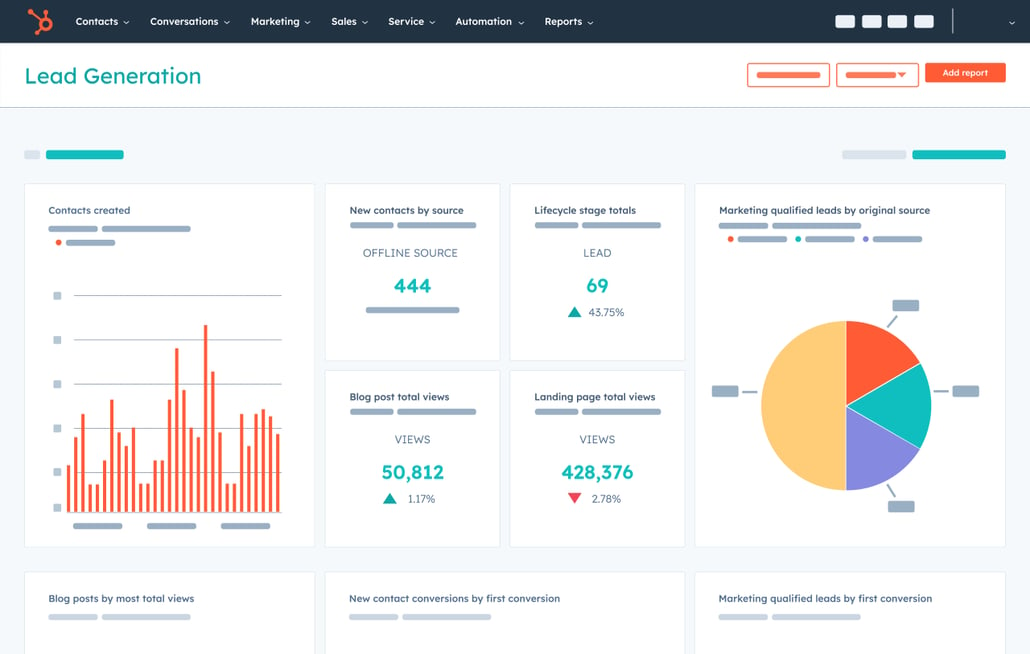
HubSpot’s free CRM evolves into a full growth platform, positioning it as a top contender in the best cloud SaaS tools for startups. It tracks customer interactions, automates email sequences, and provides analytics to refine sales strategies. For startups, this means nurturing leads without a large marketing budget.
Standout features include deal pipelines, live chat, and AI-driven content suggestions. The free tier handles unlimited users and 1 million contacts, while Sales Hub Professional starts at $90/month/seat. In 2025, HubSpot’s AI tools predict customer behavior, boosting conversion rates by up to 20%.
A SaaS startup used HubSpot to scale from 100 to 10,000 users, attributing success to its inbound marketing resources. Integrations with tools like Slack enhance workflow. HubSpot’s educational academy offers free courses, empowering founders. As one of the best cloud SaaS tools for startups, it drives sustainable growth through data-informed decisions.
5. Asana: Project Management Made Simple
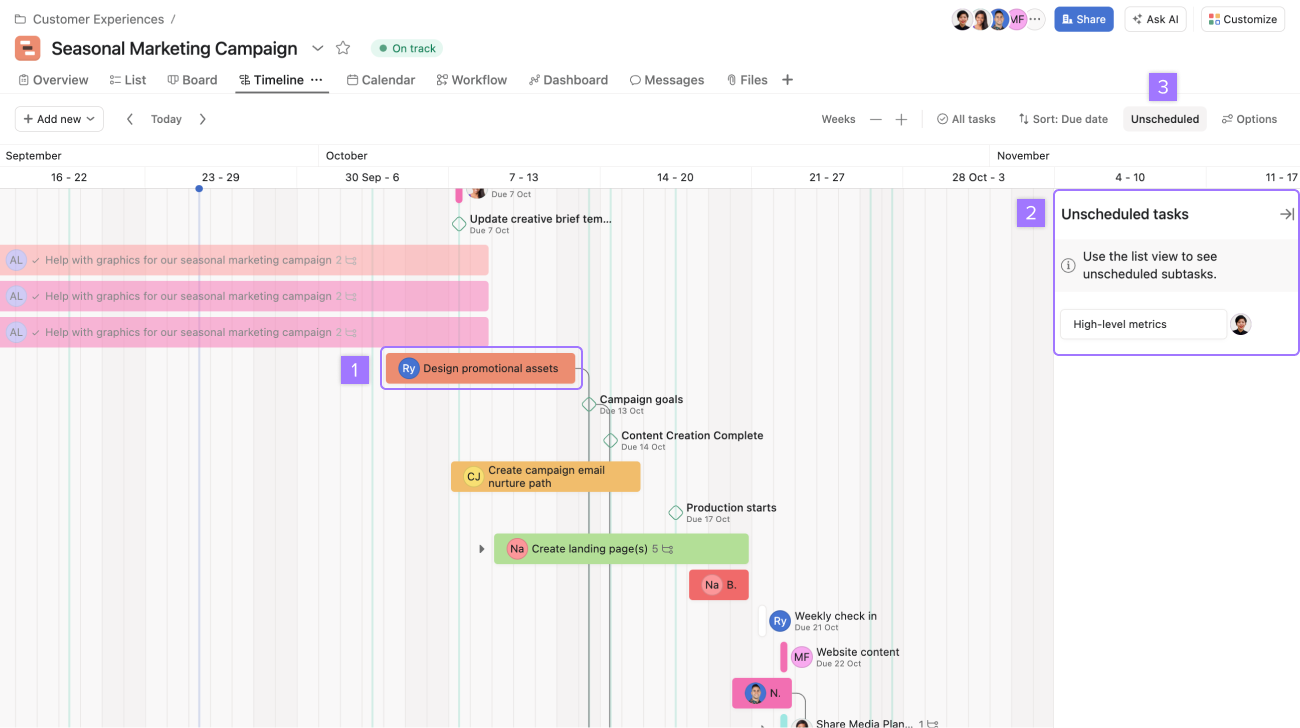
Asana excels in visualizing workflows, making it invaluable among the best cloud SaaS tools for startups. With boards, lists, and timelines, it assigns tasks, sets dependencies, and tracks progress in real-time. Startups use it to manage product roadmaps and marketing campaigns efficiently.
Key elements include goals tracking, automation rules, and custom fields. Free for basic use, Premium is $10.99/user/month annually. 2025 updates feature AI-assisted task prioritization.
A cleantech startup coordinated a launch using Asana, reducing delays by 35%. Integrations with Google Workspace amplify its power. For teams juggling multiple projects, Asana brings clarity and accountability, solidifying its role in the best cloud SaaS tools for startups.
6. Mailchimp: Email Marketing Mastery
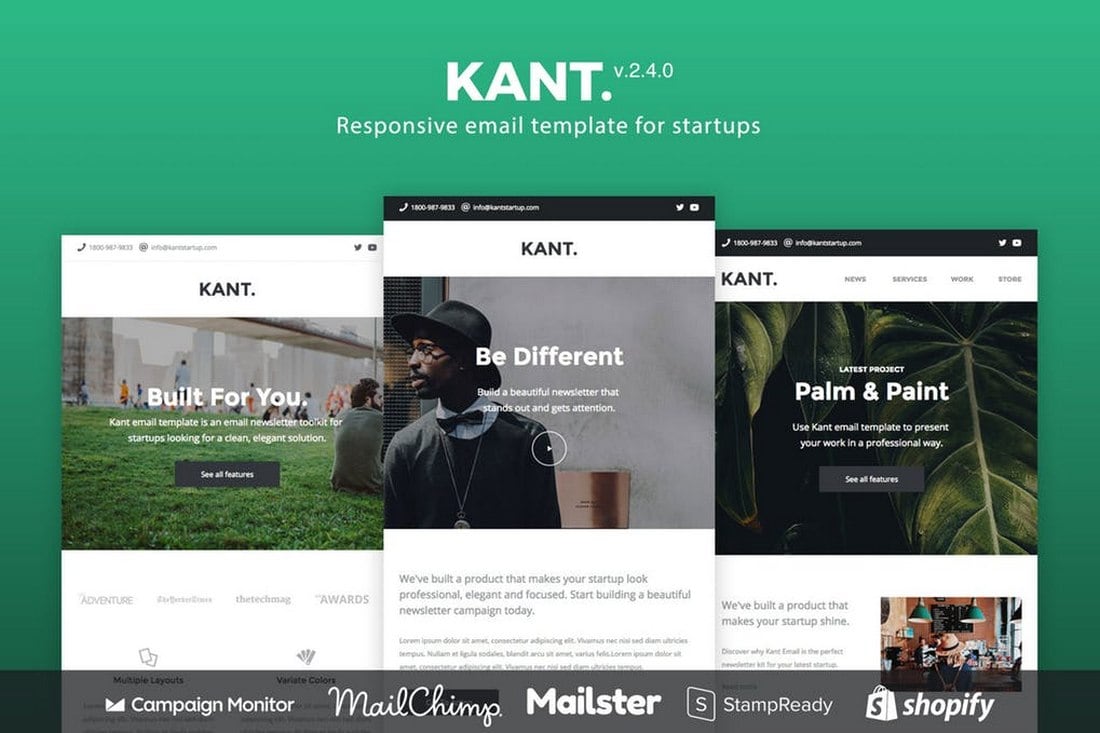
Mailchimp simplifies audience engagement, earning acclaim as one of the best cloud SaaS tools for startups. It offers drag-and-drop builders, segmentation, and A/B testing for targeted campaigns. Startups build subscriber lists and automate journeys without coding.
Features encompass e-commerce integrations and behavioral targeting. Free for 500 contacts, Standard is $20/month. In 2025, AI generates personalized content.
A fashion startup grew its newsletter to 50,000 subscribers via Mailchimp, increasing sales 28%. Its analytics guide optimizations. Mailchimp is a cornerstone for customer outreach in the best cloud SaaS tools for startups.
7. QuickBooks Online: Financial Management Simplified
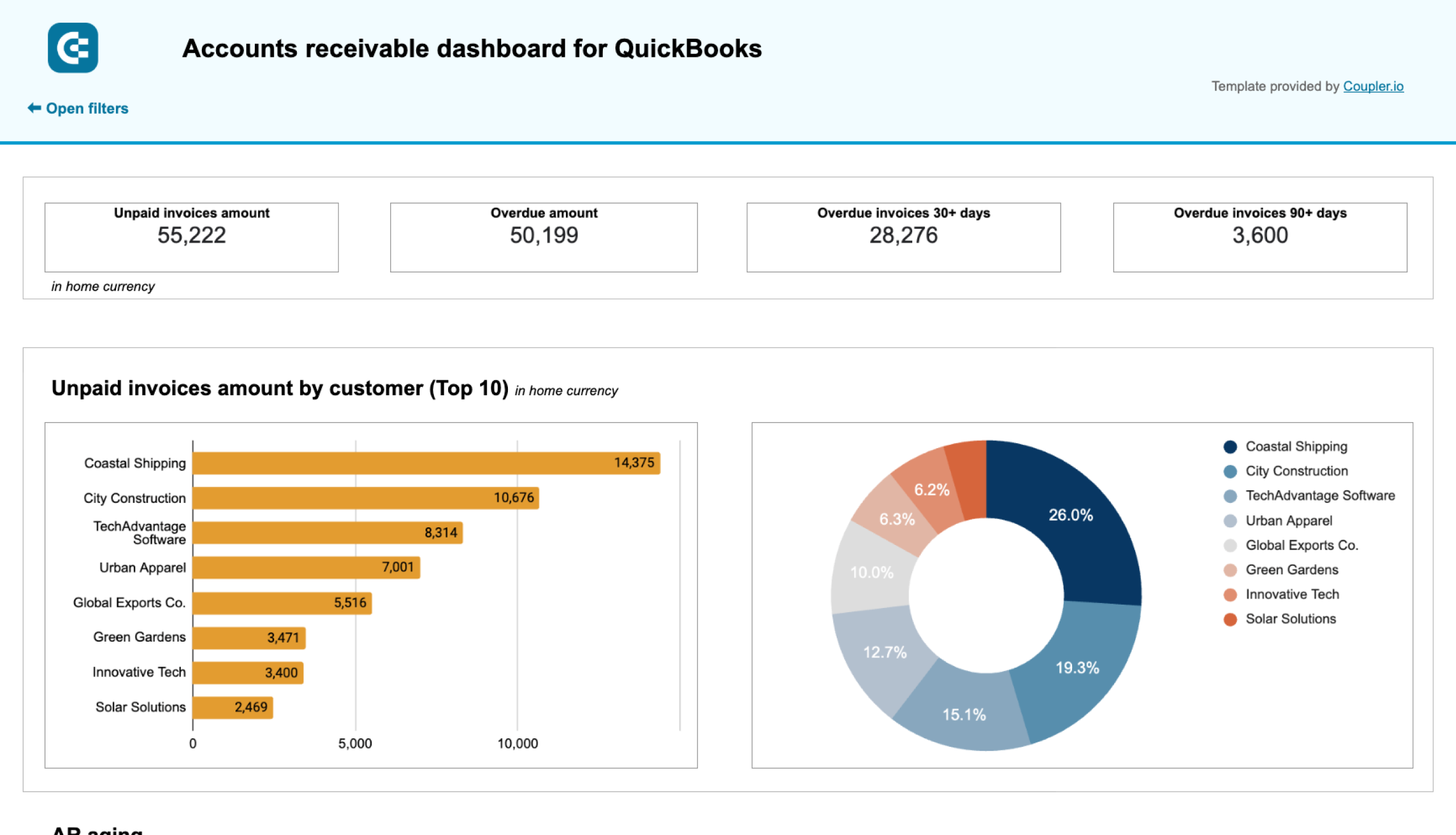
QuickBooks Online handles accounting seamlessly, making it a key player in the best cloud SaaS tools for startups. It automates invoicing, expense tracking, and tax prep, providing real-time insights via dashboards.
Highlights include payroll, inventory, and mileage tracking. Essentials starts at $60/month, with frequent discounts. 2025 brings AI forecasting.
A food delivery startup managed finances effortlessly, saving on accountant fees. Integrations with banks streamline reconciliations. QuickBooks ensures compliance, vital for the best cloud SaaS tools for startups.
8. Dropbox: Secure File Collaboration
Dropbox offers reliable storage and sharing, essential among the best cloud SaaS tools for startups. With version history and smart sync, it keeps files accessible across devices.
Features include eSignatures and team folders. Business Standard is $15/user/month. In 2025, AI search improves retrieval.
A design startup collaborated on assets globally via Dropbox. Security like watermarking protects IP. Dropbox enhances productivity in the best cloud SaaS tools for startups.

9. Canva: Design Democratized
Canva empowers non-designers to create visuals, making it a favorite in the best cloud SaaS tools for startups. Templates for social media, pitches, and reports speed up branding.
Magic Studio AI resizes and edits effortlessly. Pro is $15/month. 2025 updates include video tools.
A edtech startup produced marketing materials in-house, cutting costs 50%. Collaborations are real-time. Canva fuels creativity in the best cloud SaaS tools for startups.

10. Stripe: Payment Processing Perfected
Stripe facilitates secure transactions, rounding out the best cloud SaaS tools for startups. It supports subscriptions, invoices, and global payments with low fees.
Radar AI detects fraud. No monthly costs; 2.9% + 30¢ per charge. In 2025, crypto integrations expand.
An app startup processed millions via Stripe, scaling seamlessly. APIs customize experiences. Stripe accelerates revenue in the best cloud SaaS tools for startups.
In summary, these top 10 best cloud SaaS tools for startups provide a robust foundation for success. By adopting them, you can navigate challenges with agility and focus on what matters—growth and innovation.

FAQ
Q: What makes these the best cloud SaaS tools for startups? A: They offer free tiers, scalability, and integrations tailored for small teams.
Q: How do I integrate these tools? A: Most support Zapier or native APIs for seamless connections.
Q: Are there startup-specific discounts? A: Yes, many like Google and HubSpot have programs for credits.
Q: What’s the total cost for a basic stack? A: Under $100/month for essentials, scaling with needs.
Q: How secure are these tools? A: All feature encryption and compliance standards.
Q: Can I use them for remote teams? A: Absolutely, with mobile apps and cloud access.
Q: What’s new in 2025 for these tools? A: Enhanced AI features across the board.
Q: How to choose the right ones? A: Assess your pain points and start with free trials.
Q: Do they support international startups? A: Yes, with multi-language and currency options.
Q: What’s the ROI? A: Often 3-5x through efficiency gains.


