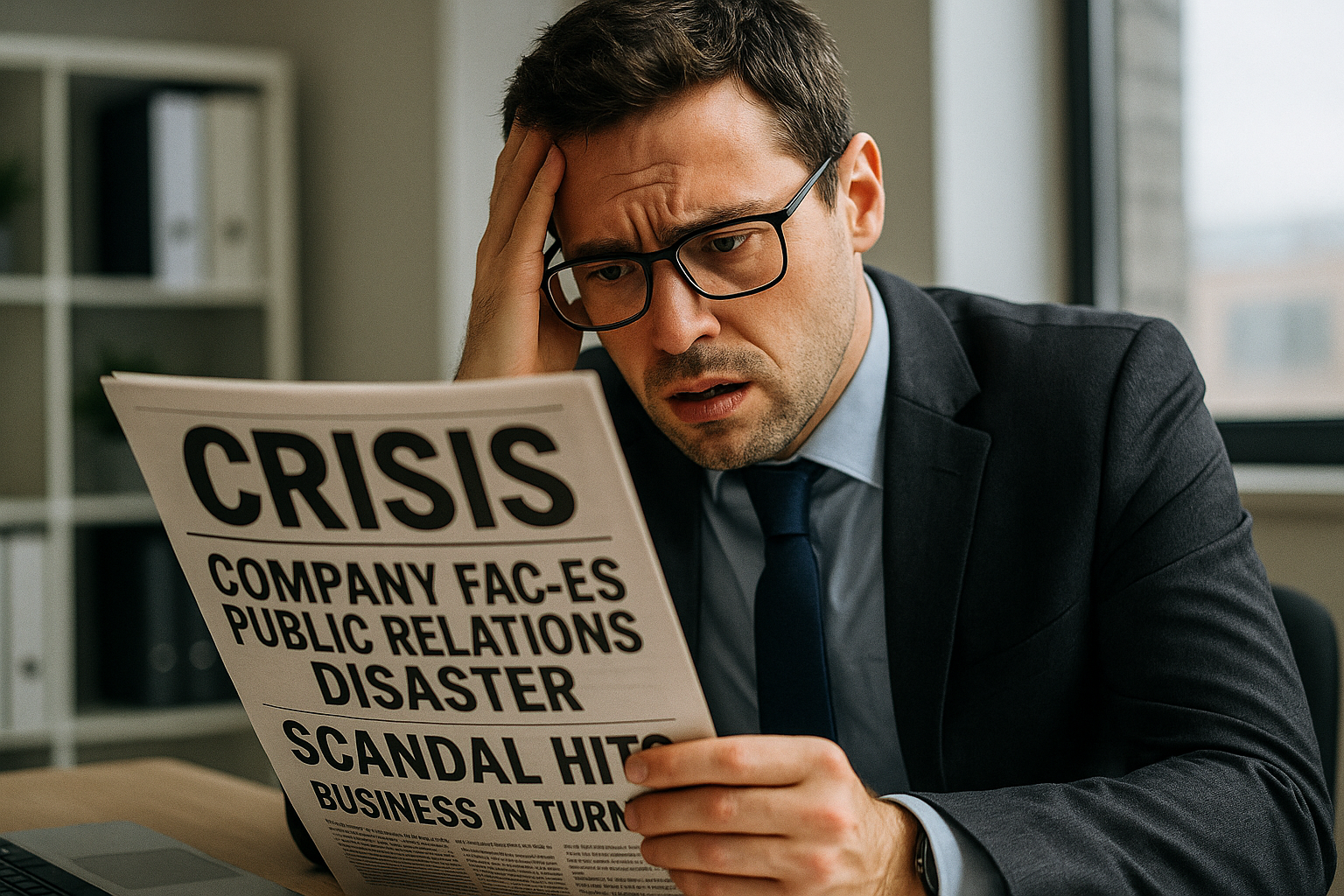

In the hyper-connected digital age, a public relations (PR) crisis is not a matter of if but when. A misplaced tweet, a faulty product, an internal scandal, or a misinterpreted statement can erupt into a full-blown firestorm within hours, spreading across social media platforms and digital news outlets at lightning speed. The traditional crisis management playbook—issuing a press release and waiting for the next news cycle—is obsolete. The court of public opinion now convenes in real-time on Twitter, LinkedIn, Facebook, and Instagram. In this new landscape, digital social marketing has evolved from a mere promotional tool into a critical instrument for survival and recovery. This article explores the pivotal role of digital social marketing in post-crisis reputation management and provides a step-by-step guide for its effective implementation.
The New Battlefield: Why Social Media is Central to Crisis Management
A PR crisis today is fundamentally a digital phenomenon. Social media acts as both the accelerant for the fire and the primary channel for the emergency response. Understanding this dual nature is key.
The Velocity of Information (and Misinformation): News, both verified and speculative, travels faster on social platforms than through any traditional media outlet. A viral post can define the narrative before a company has even assembled its crisis team.
The Democratization of Voice: Every customer, employee, and bystander has a public megaphone. Collective outrage can trend globally, giving immense power to the public and holding corporations more accountable than ever before.
The Permanent Record: Digital content is forever. Screenshots, archived pages, and video clips ensure that a misstep is never truly erased. The goal shifts from “making it go away” to “managing its lasting impact.”
It is precisely because social media is the epicenter of the crisis that it must be the core of the response. Digital social marketing provides the strategies, tools, and channels to directly engage with the audience, shape the narrative, and begin the arduous journey of rebuilding trust.
From Damage Control to Trust Rebuilding: The Role of Social Marketing in Recovery
Digital social marketing is far more than just posting content. It is a multifaceted discipline that, when applied to a crisis scenario, becomes a powerful engine for reputation management. Its functions include:
Direct Communication and Transparency: Social platforms allow for immediate, unmediated communication with stakeholders. A timely, honest, and human response can mitigate anger and show that the company is not hiding.
Active Listening and Sentiment Analysis: Social listening tools (like Brand watch, Sprout Social, or Hootsuite) allow companies to move beyond the volume of mentions and gauge the actual sentiment of the conversation. This is invaluable for understanding public perception and tailoring the response appropriately.
Narrative Control and Content Strategy: After the initial apology, the long work of reframing the narrative begins. Social marketing allows a company to proactively share positive stories, highlight corrective actions, and showcase its values through a strategic content calendar.
Community Re-engagement: A crisis often alienates a brand’s most loyal followers. Social media provides a platform to slowly re-engage with this community, answer questions directly, and demonstrate a renewed commitment to their needs.
Amplifying Positive Actions: If a company commits to a substantive change—a new internal policy, a charitable donation, a product recall—social marketing is the megaphone to ensure those actions are seen and understood, proving that the apology was backed by action.
The Step-by-Step Guide: Leveraging Social Marketing for Post-Crisis Reputation Management
Navigating the aftermath of a crisis requires a calm, structured, and strategic approach. Here is a phased guide to using digital social marketing effectively.
Phase 1: The Immediate Response (First 24-48 Hours) – Containment and Acknowledgement
Step 1: Activate the Crisis Team
Assemble your pre-identified crisis team immediately. This must include representatives from PR, Legal, Senior Leadership, and crucially, the Social Media and Marketing departments. Every decision must be cross-functional.
Step 2: Silence Scheduled Posts
Immediately pause all pre-scheduled marketing and promotional content. Posting a tone-deaf promotional tweet in the middle of a crisis is a catastrophic error that signals ignorance and insensitivity.
Step 3: Listen and Assess
Use your social listening tools to understand the scope, scale, and sentiment of the conversation. Where is the talk happening? Who are the key influencers driving the narrative? What are the specific public grievances? This isn’t about eavesdropping; it’s about diagnosing the problem before prescribing a solution.
Step 4: Craft and Publish the Initial Response
Your first public statement is critical. It must be published on the social platforms where the crisis is most active (often Twitter for speed, and Facebook/Instagram for broader reach).
Acknowledge: Clearly state that you are aware of the situation.
Empathize: Express genuine concern and empathy for anyone affected. Use human language, not legalese.
Take Responsibility: If the company is at fault, say so. Avoid vague, non-apology apologies (“we regret if anyone was offended”).
Commit to Action: State that you are investigating and will provide updates. Set a realistic expectation for when the next communication will come.
Pin the Post: Pin this statement to the top of all relevant social channels to ensure it is the first thing visitors see.
Phase 2: The Stabilization Phase (Days 2-7) – Action and Communication
Step 5: Provide Substantive Updates
Silence after the initial response is damaging. Use social media to provide regular updates on the progress of your investigation and the actions you are taking. Even if the update is “we are still investigating and will have more information by X time,” it demonstrates ongoing engagement and prevents the vacuum from being filled with speculation.
Step 6: Choose the Right Channels and Formats
A text tweet is not enough. Utilize the full spectrum of social marketing tools:
Video: A video statement from the CEO can be incredibly powerful. It conveys empathy, accountability, and humanity far more effectively than text.
Blogs/LinkedIn Articles: For more complex issues, publish a detailed post on your official blog or LinkedIn. This allows for a nuanced explanation that can be linked to from shorter social posts.
Stories/Feeds: Use Instagram or Facebook Stories to share behind-the-scenes glimpses of the action being taken (e.g., “Our team working through the night to resolve X”).
Step 7: Moderate and Engage (Carefully)
Do not delete critical comments unless they are abusive, hateful, or purely spam. Deleting legitimate criticism fuels further outrage. Instead, have a team ready to respond to common questions with prepared, empathetic, and consistent answers. Publicly engaging shows you are listening.
Phase 3: The Rebuilding Phase (Week 2 and Beyond) – The Long Game
This is where strategic social marketing truly shines and separates a failed recovery from a successful one. The goal is to slowly pivot from talking about the crisis to reaffirming your brand’s core values and rebuilding positive equity.
Step 8: Launch a Positive Content Strategy
Develop a content plan designed to remind your audience why they supported you in the first place. This is not about ignoring the past, but about building a new future. Focus on:
Value-Driven Content: Share content that educates, helps, or entertains your audience, re-establishing your value in their lives.
Employee Advocacy: Showcase the amazing people who make up your company. Humanizing the brand is a potent antidote to negative perception.
Customer Stories and Testimonials: Amplify the voices of satisfied customers who are still having positive experiences.
Step 9: Re-engage with Influencers and Advocates
Identify the influencers and brand advocates who stood by you or offered fair criticism. Engage with them personally, provide them with updates, and ask for their feedback. Their authentic voices can be more credible than your own in winning back public trust.
Step 10: Monitor, Measure, and Adapt
Reputation management is a marathon. Continuously monitor social sentiment, track key metrics (mention volume, sentiment ratio, engagement rates on positive posts), and adapt your strategy accordingly. This data-driven approach will tell you if your efforts are working and where you need to adjust.
A Case in Point: Effective vs. Ineffective Social Response
Consider two hypothetical examples:
Company A (Ineffective): After a data breach, they remain silent for three days. They then issue a formal press release full of technical jargon and liability shields. Their social media feeds continue to post promotional content, ignoring the hundreds of angry comments. Result: Trust is obliterated, and the brand never fully recovers.
Company B (Effective): Within hours, they acknowledge the breach on Twitter and Facebook, apologizing and advising customers on immediate protective steps. They provide daily video updates from their CTO on the investigation. They use a dedicated hashtag for clear updates. After resolving the issue, they launch a series of webinars on data security, offering free credit monitoring, and consistently communicate their new security investments. This proactive, transparent, and value-driven social approach forms the bedrock of their successful reputation management strategy.
Conclusion: An Indispensable Tool for the Modern Age
The question is not can digital social marketing help in reputation management after a PR crisis, but rather, how any company expects to recover without it. In the digital era, a crisis unfolds and is resolved in the public forum of social media. To ignore this channel is to surrender the narrative.
A strategic digital social marketing response transforms a defensive posture into an offensive recovery strategy. It provides the tools to listen with empathy, communicate with transparency, and rebuild with purpose. While a crisis can never be pleasant, a well-executed social-led recovery can not only repair damaged trust but can ultimately strengthen the relationship between a brand and its audience, proving that the company is resilient, accountable, and human. The seamless integration of social marketing into crisis response is no longer optional; it is the very essence of modern reputation management.


